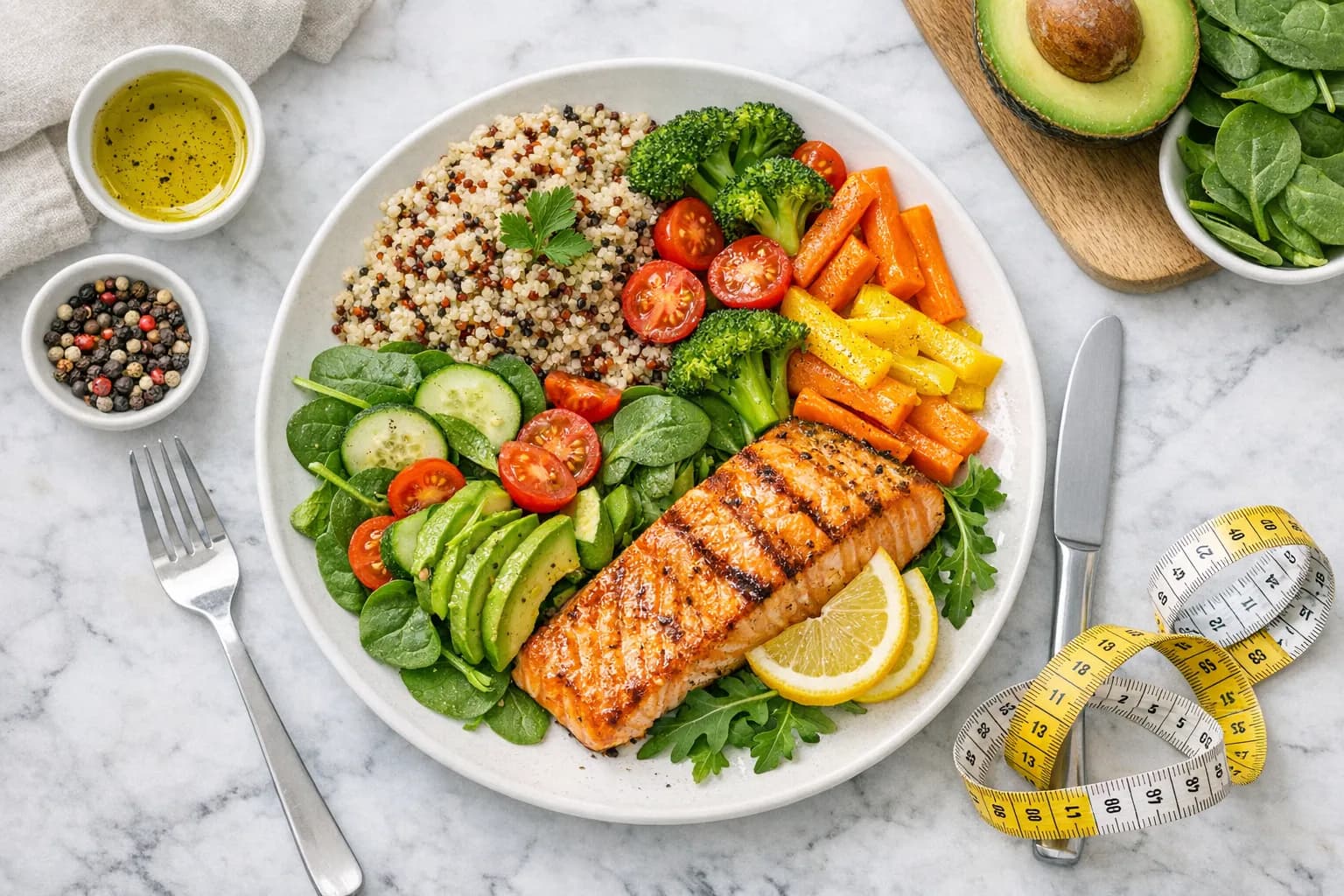
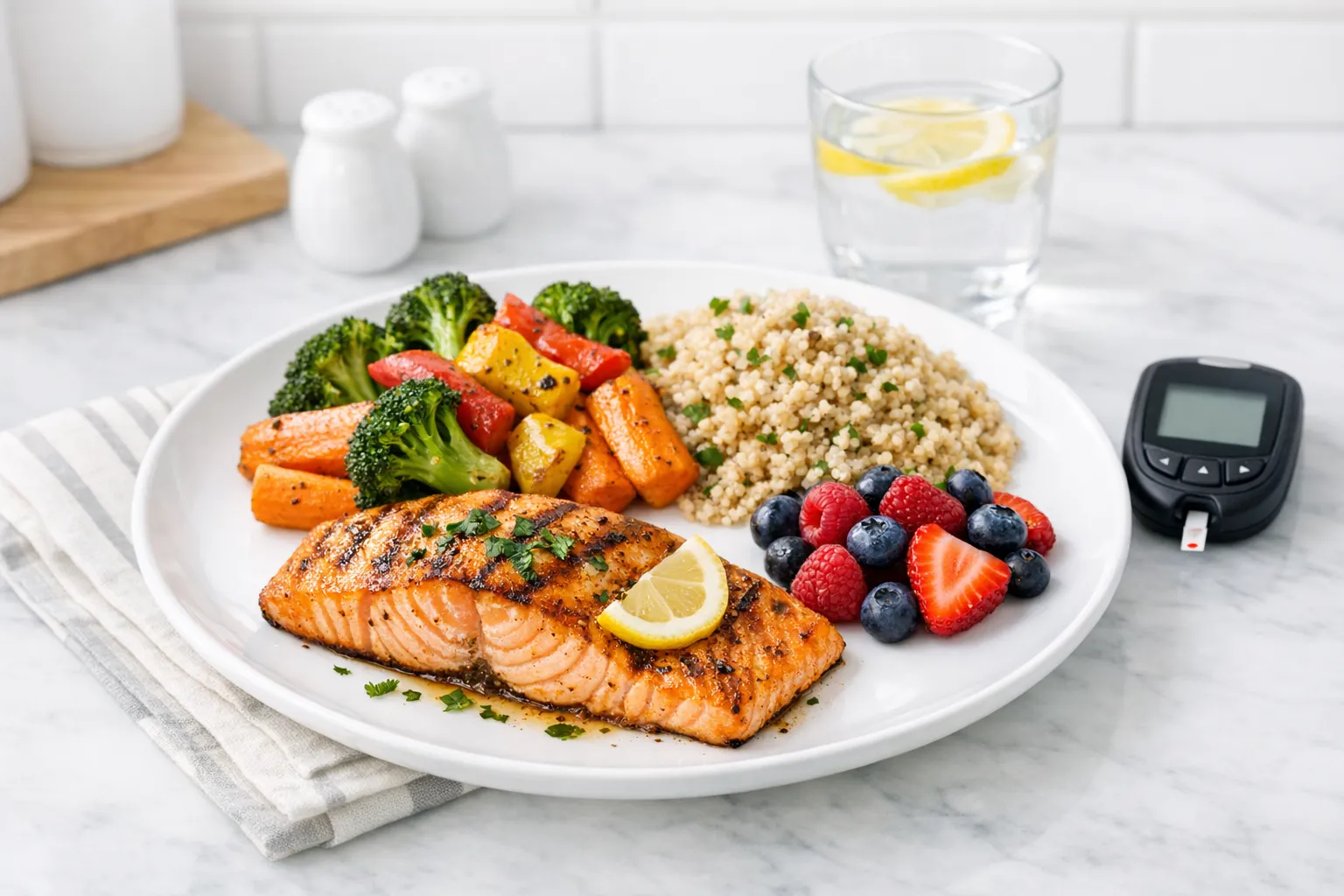
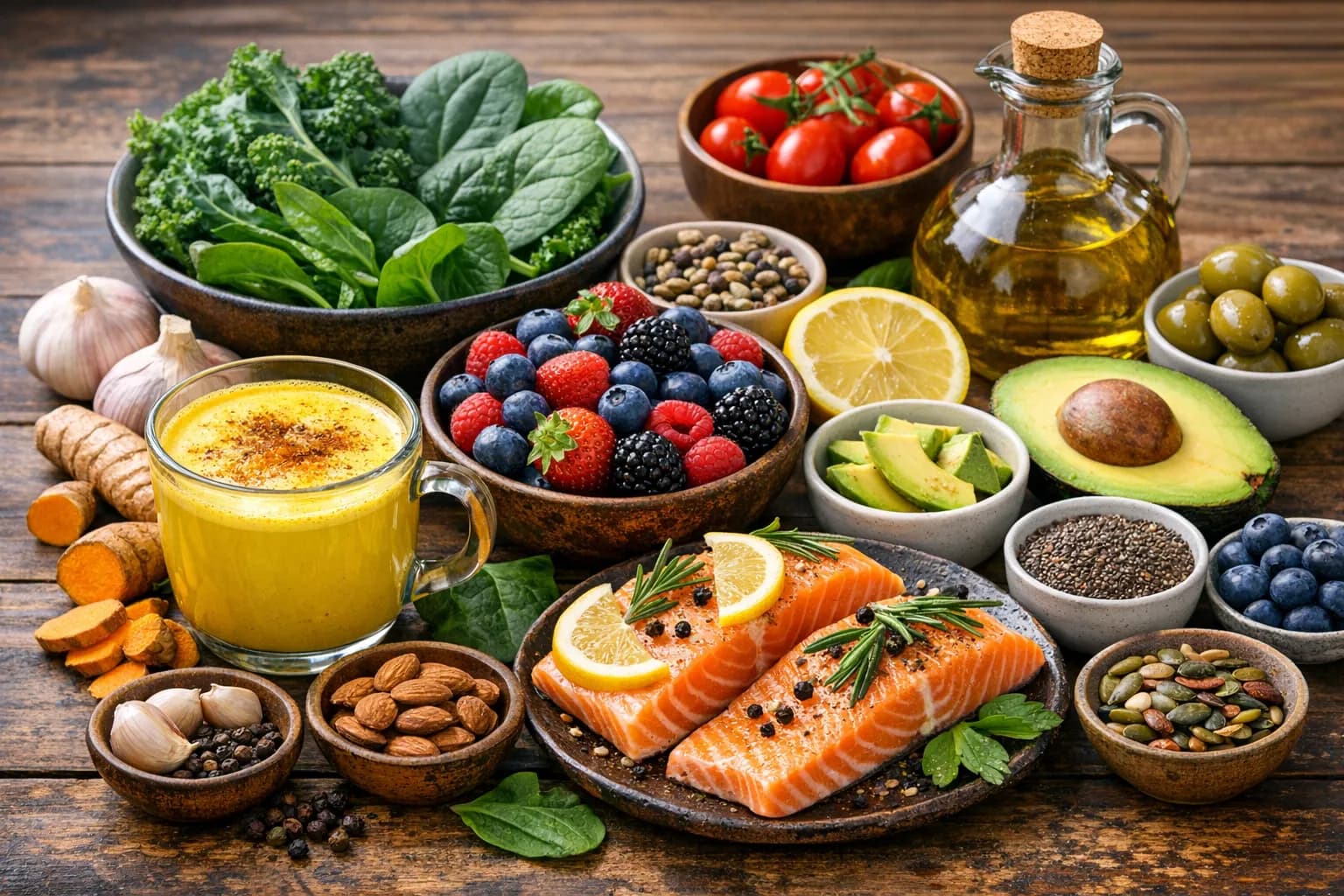
1200 Calorie Meal Plan for Weight Loss: A Safe and Sustainable Guide
A complete 1200 calorie meal plan for weight loss with 7 days of meals, grocery lists, and nutritional breakdowns. Covers who this plan is appropriate for, how to avoid common pitfalls, and how to transition to maintenance.
A 1200 calorie meal plan is one of the most searched-for approaches to weight loss, and for good reason: the math is simple. Most adults burn 1,600 to 2,400 calories per day depending on size, age, and activity level. Eating 1,200 calories creates a daily deficit of 400 to 1,200 calories, which translates to losing roughly one to two pounds per week.
But the math being simple does not make the execution easy. At 1,200 calories, there is very little room for nutritionally empty food. Every meal needs to be intentionally constructed to provide enough protein, fiber, vitamins, and minerals to keep you healthy, energized, and satiated. A badly designed 1,200 calorie plan — one that relies on restriction rather than nutrition — leads to fatigue, muscle loss, nutrient deficiencies, and the binge-restrict cycle that causes most diets to fail.
This guide provides a structured 7-day meal plan at 1,200 calories per day that prioritizes satiety and nutrition over mere calorie restriction. It also covers who this plan is and is not appropriate for, the common mistakes that derail people, and how to transition to maintenance once you reach your goal.
Warning
A 1200 calorie diet is not appropriate for everyone. It is generally considered safe for sedentary or lightly active women of average height. It is too low for most men, for very active individuals, for pregnant or breastfeeding women, and for anyone under 18. Consult your doctor or a registered dietitian before starting any calorie-restricted eating plan, especially one at this level.
The Rules That Make 1200 Calories Work
At 1,200 calories per day, you are working with a tight budget. These rules ensure you spend that budget wisely.
Rule 1: Protein at Every Meal
Protein is the most satiating macronutrient — it keeps you full longer than carbohydrates or fat, calorie for calorie. Protein also preserves muscle mass during weight loss, which is critical because losing muscle slows your metabolism and makes weight regain more likely.
Aim for 25 to 35 grams of protein per meal. Good sources that are calorie-efficient: chicken breast (31g protein per 4 oz, 120 calories), Greek yogurt (15g per 3/4 cup, 100 calories), eggs (6g per egg, 70 calories), shrimp (24g per 4 oz, 100 calories), cottage cheese (14g per 1/2 cup, 90 calories).
Rule 2: Volume Eating with Vegetables
At 1,200 calories, physical fullness matters as much as nutritional fullness. Non-starchy vegetables are extremely low in calories but high in volume and fiber. Two cups of broccoli is 60 calories. Two cups of spinach is 14 calories. A full cup of cherry tomatoes is 27 calories. Loading your plate with vegetables means you eat large, satisfying portions without consuming many calories.
Rule 3: Minimize Liquid Calories
A glass of orange juice is 110 calories — nearly 10 percent of your daily budget — with none of the fiber that makes eating an actual orange satisfying. A latte with whole milk is 150 to 250 calories. A single glass of wine is 120 to 150 calories. At 1,200 calories, liquid calories are a budget leak you cannot afford. Drink water, black coffee, and unsweetened tea. Save your calories for food you chew.
Rule 4: Plan Every Meal
This is the one calorie level where winging it does not work. Without a plan, you will either undereat (leading to a binge later) or overshoot your target by 300 calories with a single unplanned snack. Plan all three meals and one snack the night before or at the beginning of the week.
Ready to simplify your meal planning?
Join UseMealPlanner and get AI-generated recipes tailored to your preferences, dietary needs, and schedule.
Download the AppThe 7-Day 1200 Calorie Meal Plan
Each day totals approximately 1,200 calories with 90 to 110 grams of protein, 120 to 150 grams of carbohydrates, and 35 to 50 grams of fat. All meals are designed to be satisfying and practical to prepare.
Day 1
Breakfast (300 cal): Two scrambled eggs (140 cal) with 1 cup sauteed spinach in cooking spray (14 cal), 1/2 cup cherry tomatoes (13 cal), and 1 slice whole grain toast (80 cal) with 1/2 tablespoon butter (50 cal). Protein: 19g
Lunch (350 cal): Large salad with 4 oz grilled chicken breast (120 cal), 3 cups mixed greens (21 cal), 1/2 cup chickpeas (120 cal), cucumber, bell pepper, and 1 tablespoon olive oil with lemon dressing (70 cal). Protein: 35g
Dinner (400 cal): 5 oz baked salmon (280 cal) with 2 cups roasted broccoli with garlic (80 cal) and 1/3 cup cooked quinoa (40 cal). Protein: 36g
Snack (150 cal): 3/4 cup plain Greek yogurt (100 cal) with 1/4 cup blueberries (20 cal) and 1 tablespoon slivered almonds (30 cal). Protein: 16g
Day 2
Breakfast (280 cal): Smoothie with 1 cup unsweetened almond milk (30 cal), 1/2 banana (50 cal), 1 scoop vanilla protein powder (120 cal), 1 cup spinach (7 cal), 1 tablespoon peanut butter (95 cal), ice. Protein: 28g
Lunch (380 cal): Turkey lettuce wraps: 4 oz sliced turkey breast (120 cal) in butter lettuce leaves with 1/4 avocado (60 cal), shredded carrots, cucumber, and 1 tablespoon hoisin sauce (35 cal). Side of 1 cup edamame in pods (100 cal). Protein: 32g
Dinner (390 cal): Chicken stir-fry: 4 oz chicken breast (120 cal) with 2 cups mixed vegetables — broccoli, snap peas, bell pepper, carrots (80 cal) — in 1 tablespoon low-sodium soy sauce and garlic. Served over 1/2 cup brown rice (110 cal). Cooked in 1 teaspoon sesame oil (40 cal). Protein: 30g
Snack (150 cal): 1/2 cup cottage cheese (90 cal) with 1/2 cup sliced strawberries (25 cal) and 1 teaspoon honey (20 cal). Protein: 14g
Day 3
Breakfast (310 cal): Overnight oats: 1/3 cup rolled oats (100 cal), 1/2 cup unsweetened almond milk (15 cal), 1/4 cup Greek yogurt (35 cal), 1 tablespoon chia seeds (60 cal), 1/2 cup mixed berries (40 cal), dash of vanilla and cinnamon. Prepared the night before. Protein: 14g
Lunch (360 cal): Lentil soup (1.5 cups, homemade with carrots, celery, onion, garlic) (250 cal) with a side of 2 cups arugula salad with lemon juice and 1 teaspoon olive oil (50 cal). 5 whole grain crackers (60 cal). Protein: 18g
Dinner (380 cal): 4 oz lean ground turkey (170 cal) seasoned with cumin and chili powder over a bed of 2 cups shredded lettuce (10 cal) with 1/4 cup black beans (55 cal), 2 tablespoons salsa (10 cal), 1 tablespoon Greek yogurt as sour cream (8 cal), and 1/4 avocado (60 cal). Turkey taco salad bowl. Protein: 32g
Snack (150 cal): 1 medium apple (95 cal) with 1 tablespoon almond butter (55 cal). Protein: 2g
Day 4
Breakfast (290 cal): Veggie egg muffins (prepared ahead): 2 muffins made with eggs, spinach, bell pepper, and onion (180 cal). 1 small banana (90 cal). Black coffee. Protein: 16g
Lunch (370 cal): Tuna salad bowl: 4 oz canned tuna in water (100 cal) mixed with 1 tablespoon light mayo (35 cal) and diced celery over 3 cups mixed greens (21 cal), 1/2 cup cherry tomatoes (13 cal), 1/4 cup white beans (55 cal), cucumber, and balsamic vinaigrette (1 tablespoon, 45 cal). 1 small whole wheat pita (100 cal). Protein: 33g
Dinner (400 cal): 5 oz herb-baked cod (130 cal) with 1.5 cups roasted asparagus (40 cal), 1/2 medium sweet potato (60 cal), and a large side salad with 1 tablespoon olive oil dressing (70 cal). Protein: 32g
Snack (140 cal): 1 oz mixed nuts — almonds and walnuts (140 cal). Protein: 4g
Day 5
Breakfast (300 cal): 3/4 cup Greek yogurt (100 cal) with 1/3 cup low-sugar granola (120 cal), 1/2 cup raspberries (30 cal), and 1 tablespoon ground flaxseed (37 cal). Protein: 18g
Lunch (350 cal): Chicken and vegetable soup (homemade, 1.5 cups) with chicken breast, carrots, celery, zucchini, and herbs in low-sodium broth (200 cal). 1 slice whole grain bread (80 cal) with 1 teaspoon butter (35 cal). Protein: 25g
Dinner (400 cal): Shrimp and vegetable skewers: 5 oz shrimp (125 cal) with zucchini, bell pepper, and red onion, grilled with 1 tablespoon olive oil and lemon (120 cal). Served with 1/2 cup couscous (90 cal) and a cucumber-tomato salad (50 cal). Protein: 30g
Snack (150 cal): 2 tablespoons hummus (70 cal) with 1 cup sliced bell pepper and celery sticks (30 cal) and 5 whole grain crackers (50 cal). Protein: 4g
Day 6
Breakfast (310 cal): 2-egg omelet (140 cal) with mushrooms, tomatoes, and 1 tablespoon feta cheese (25 cal). 1 slice whole grain toast (80 cal). 1/2 cup mixed berries (40 cal). Protein: 18g
Lunch (360 cal): Quinoa black bean bowl: 1/2 cup quinoa (110 cal), 1/3 cup black beans (75 cal), 1/4 avocado (60 cal), corn, tomato, lime juice, and cilantro (35 cal). 2 cups mixed greens on the side (14 cal). Protein: 15g
Dinner (380 cal): 4 oz pork tenderloin (140 cal) with roasted Brussels sprouts (1.5 cups, 85 cal) and 1/2 cup mashed cauliflower with garlic (45 cal). Side salad with 1 tablespoon vinaigrette (70 cal). Protein: 33g
Snack (150 cal): String cheese (80 cal) with 10 grapes (35 cal) and 5 almonds (35 cal). Protein: 8g
Day 7
Breakfast (290 cal): Protein pancakes: 1/2 cup oat flour, 1 scoop protein powder, 1 egg, water (230 cal). Topped with 1/2 cup sliced strawberries (25 cal) and 1 tablespoon sugar-free syrup (15 cal). Protein: 30g
Lunch (370 cal): Mediterranean wrap: whole wheat tortilla (120 cal) with 3 oz grilled chicken (90 cal), hummus (2 tablespoons, 70 cal), cucumber, tomato, mixed greens, and feta (30 cal). Side of raw vegetables (30 cal). Protein: 27g
Dinner (390 cal): Beef and vegetable stew: 4 oz lean stew beef (180 cal) with carrots, potatoes, celery, onions in low-sodium beef broth (150 cal). 1.5 cups serving. Side of steamed green beans (40 cal). Protein: 30g
Snack (150 cal): 1/2 cup cottage cheese (90 cal) with 1/4 cup pineapple chunks (30 cal) and a sprinkle of cinnamon. Protein: 14g
Common Mistakes That Derail 1200 Calorie Plans
Not Eating Enough Protein
When calories are restricted, your body looks for energy wherever it can find it — including your muscles. Without adequate protein (at least 0.6 to 0.8 grams per pound of body weight), you lose muscle alongside fat. This makes you weaker, slows your metabolism, and means a larger portion of the weight you lose is the weight you wanted to keep. Prioritize protein at every single meal.
Ignoring Hunger Signals
Feeling mildly hungry between meals on a 1,200 calorie plan is normal. Feeling ravenously hungry, dizzy, or unable to concentrate is not — it means the plan is too aggressive for you. If this happens consistently, increase to 1,400 calories. Losing weight slightly slower while feeling functional is vastly more sustainable than losing it faster while feeling terrible.
The Weekend Blowout
Eating 1,200 calories Monday through Friday and then consuming 3,000 calories on Saturday and Sunday erases most of the week's deficit. You do not need to eat exactly 1,200 on weekends, but staying within a reasonable range (1,400 to 1,600) keeps progress on track. Plan your weekends just as deliberately as your weekdays.
Relying on Low-Calorie Processed Foods
One hundred calories of rice cakes does not keep you full the way one hundred calories of eggs does. Low-calorie processed foods (diet bars, sugar-free snacks, 100-calorie packs) are calorie-efficient but nutrition-poor. They leave you hungry within an hour. Spend your calorie budget on whole foods with protein, fiber, and healthy fats.
Tip
Track your food for the first two weeks. Use a food tracking app or a simple notebook. Most people significantly underestimate their calorie intake — studies show the average person underestimates by 40 percent. Two weeks of tracking calibrates your eye so that you can eventually estimate portions accurately without measuring everything.
Meal Prep Strategies for 1200 Calories
At this calorie level, preparation is not optional — it is the difference between staying on track and abandoning the plan by Wednesday.
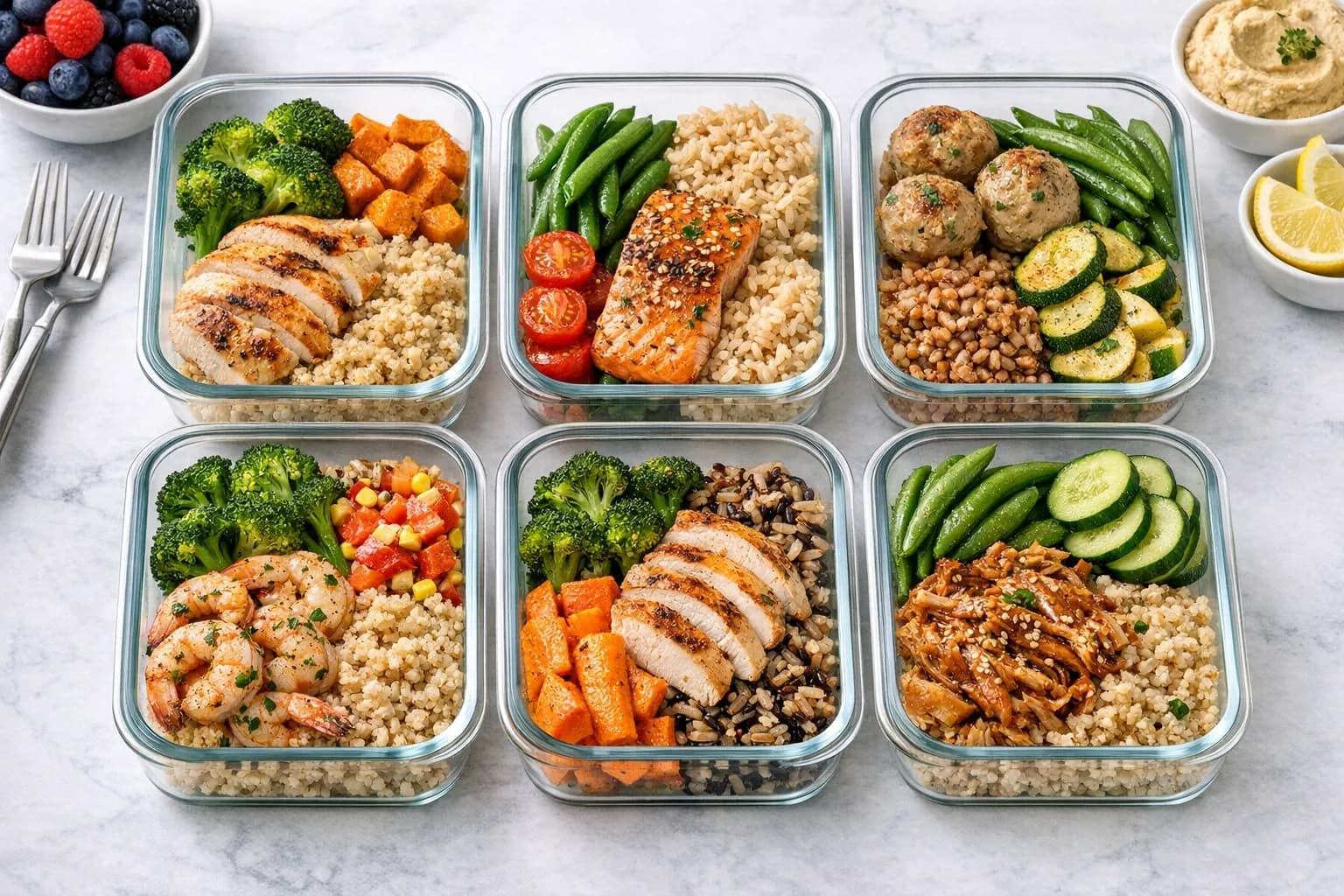
Sunday prep session (90 minutes):
- Cook 1.5 lbs of chicken breast (use for 3-4 meals)
- Hard-boil 6 eggs (breakfast and snack options)
- Cook 2 cups of dry quinoa or brown rice
- Wash and chop all vegetables for the week
- Make overnight oats for 2-3 mornings
- Prepare a batch of soup or stew (covers 2-3 lunches)
Portion everything in advance. Measure and store individual meal components in containers. When lunch is already portioned in the fridge, you are not tempted to add extra or skip tracking. For a detailed guide on the prep process, see our batch cooking guide.
Transitioning Off 1200 Calories
This is where most plans fail. You reach your goal weight, stop the restricted plan, go back to eating however you ate before, and the weight returns. A 1,200 calorie plan should always be temporary — a tool for a specific phase, not a permanent way of eating.
When you are within five to ten pounds of your goal weight, start increasing calories by 100 to 200 per week. Move from 1,200 to 1,400 for two weeks. Then to 1,500 or 1,600. Find the level where your weight stabilizes — this is your maintenance intake. The structured eating habits, the protein prioritization, and the meal planning practice you built during the deficit phase carry over. You are eating more food but with the same intentionality.
For ongoing meal plan generation tailored to your calorie targets and food preferences, UseMealPlanner can build weekly plans at any calorie level.
Key Takeaway
A 1200 calorie meal plan works for weight loss when every calorie is spent on nutritionally dense food: prioritize protein at every meal (25-35g), fill half your plate with non-starchy vegetables for volume, eliminate liquid calories, and plan every meal in advance. The plan is too restrictive for most men, very active individuals, and anyone under 18 — consult a healthcare provider before starting. Most importantly, treat 1200 calories as a temporary phase, not a permanent diet. When approaching your goal weight, gradually increase calories by 100-200 per week until you find your maintenance level, carrying the meal planning habits with you.