How to Meal Plan for One Person (Without Waste or Boredom)
A complete guide to meal planning for one person. Includes strategies to avoid food waste, right-sized recipes, freezer-friendly single portions, and a 7-day solo meal plan.
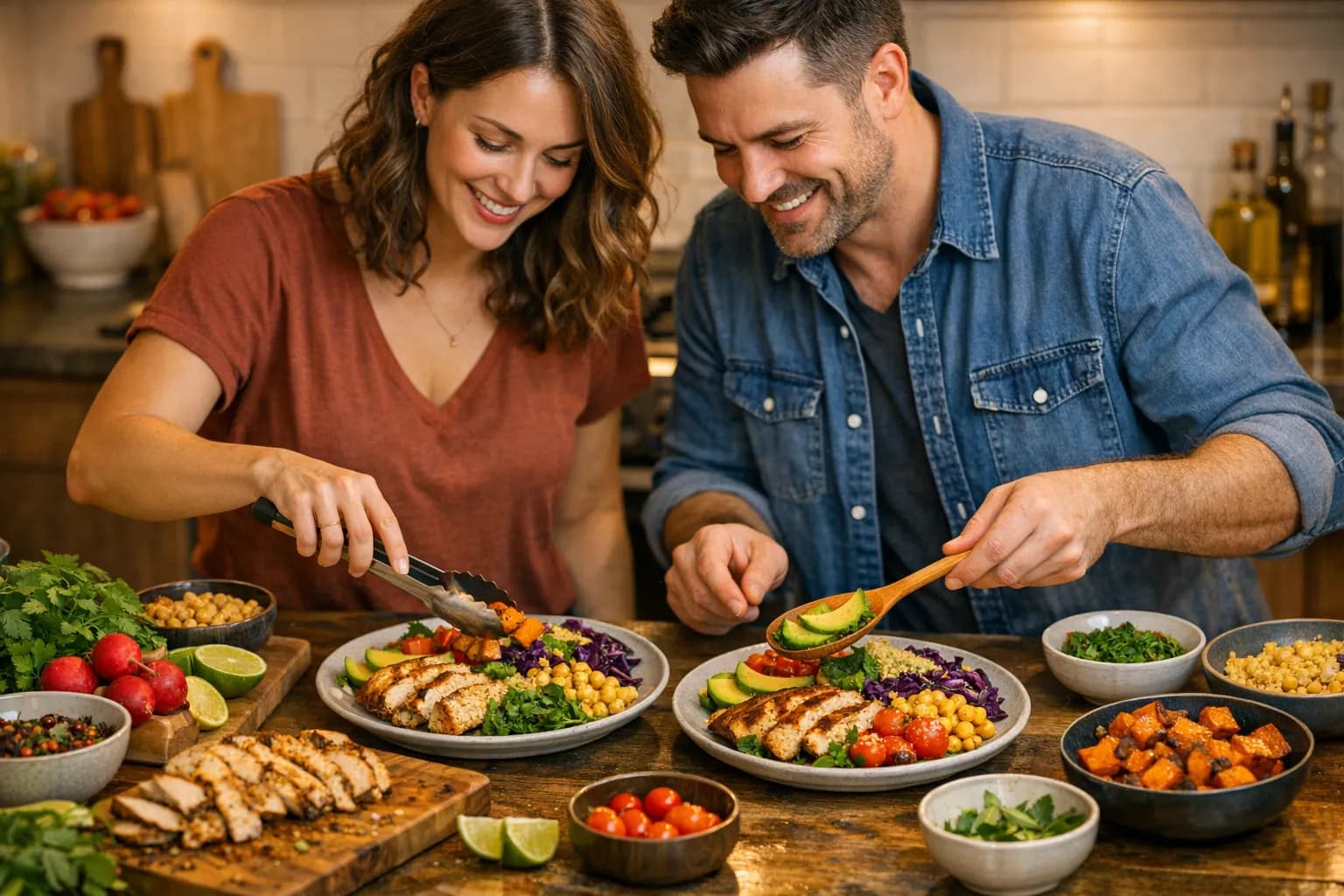
Every recipe blog, every meal planning guide, every cookbook on the shelf assumes you are feeding at least two people and probably four. When you cook for one, you inherit a set of problems those resources never address. A standard recipe produces four servings, so you eat the same thing for four days straight or throw food away. Fresh produce comes in quantities designed for families, so half the bag of spinach wilts before you touch it. And the motivation to cook an elaborate meal for yourself, just yourself, tends to fade after a long day when cereal and toast are right there.
Meal planning for one person is not the same as meal planning for a family, scaled down. It is a fundamentally different challenge that requires different strategies. The good news is that once you have a system, cooking for one is actually faster, cheaper, and more flexible than cooking for a crowd. You eat exactly what you want, when you want it, with zero negotiation.
This guide covers the specific strategies that make solo meal planning work: how to buy the right amounts, how to cook efficiently without creating a week of monotonous leftovers, how to use your freezer as a second pantry, and a complete 7-day meal plan sized for one person.
Why Meal Planning Matters Even More When You Cook for One
The irony of cooking for one is that it is both easier and harder than cooking for a family. Easier because you only need to please yourself. Harder because the economics and logistics of grocery shopping are stacked against single-person households.
The Food Waste Problem
Single-person households waste more food per capita than any other household size. The math is simple: most grocery items come in quantities designed for families. A bunch of cilantro, a head of lettuce, a package of chicken breasts, a loaf of bread. You use a third, and the rest slowly deteriorates in your fridge until guilt or smell forces you to throw it away.
The USDA estimates that the average American wastes about a pound of food per day. For someone cooking alone, that waste is not spread across four people. It all lands on you, and it hits your wallet hard.
The Motivation Problem
When you cook for others, there is social pressure and reward. Someone thanks you, compliments the meal, or at minimum, shows up to eat it. When you cook for yourself, the entire feedback loop is internal. On a tired Tuesday evening, the effort-to-reward ratio of cooking a proper meal can feel unfavorable compared to ordering delivery or eating crackers over the sink.
Meal planning eliminates the daily "what should I eat" decision, which is usually the point where motivation collapses. When the plan is made and the ingredients are in the fridge, cooking becomes execution rather than creative problem-solving.
If you are brand new to the concept, our meal planning for beginners guide walks through the fundamentals before you layer on solo-specific strategies.
Ready to simplify your meal planning?
Join UseMealPlanner and get AI-generated recipes tailored to your preferences, dietary needs, and schedule.
Download the AppSmart Grocery Shopping for One
The grocery store is designed for families. Your job is to navigate it like a solo operator, buying only what you will actually use before it spoils.
Buy From Bulk Bins, Not Bulk Packages
There is an important distinction between "buying in bulk" and "buying from bulk bins." Buying a 10-pound bag of rice when you eat rice twice a week is wasteful unless you have unlimited storage. Buying exactly two cups of rice from a bulk bin is precise and economical.
Bulk bins let you buy the exact quantity you need for grains, nuts, dried beans, oats, flour, and spices. You pay less per unit than pre-packaged versions, but you also avoid the problem of storing a 5-pound bag of something you will not finish for six months.
The Freezer Is Your Best Friend
Your freezer transforms perishable ingredients into a personal pantry with a months-long shelf life. Here is what to freeze routinely:
- Bread: Buy a full loaf, keep a few slices out, and freeze the rest in a zip-top bag. Pull slices as needed and toast them directly from frozen.
- Proteins: When chicken thighs or ground beef go on sale, buy a full package. Divide into single-serving portions (about 4 to 6 ounces each), wrap individually in plastic wrap, then store in a freezer bag. Thaw one portion the night before you plan to cook it.
- Bananas: When they start browning, peel and freeze them. They blend into smoothies or mash into oatmeal.
- Fresh herbs: Chop and freeze in ice cube trays with a little olive oil. Pop out a cube whenever you need herbs for a sauce or stir-fry.
- Cooked grains: Rice, quinoa, and farro all freeze well. Freeze in single-serving portions and microwave to reheat.
Produce That Lasts
When you shop for one, prioritize produce by shelf life. Buy short-lived items (berries, leafy greens, avocados) only when you plan to use them within two to three days. Fill the rest of your produce needs with items that last.
Long-lasting produce (1 to 4 weeks):
- Carrots
- Cabbage
- Onions
- Potatoes
- Sweet potatoes
- Apples
- Citrus fruits
- Celery (stored in water)
Frozen produce (months):
- Mixed stir-fry vegetables
- Broccoli florets
- Spinach
- Peas
- Berries for smoothies and oatmeal
Frozen vegetables are not inferior. They are picked and frozen at peak ripeness, often retaining more nutrients than "fresh" produce that has traveled for days. For a single person, frozen vegetables virtually eliminate waste.
Strategic Small-Quantity Shopping
Some stores cater better to single-person shoppers than others.
- Trader Joe's: Known for single-serving and small-quantity packaging. Their pre-portioned proteins, small bags of produce, and single-serving frozen meals are designed for smaller households.
- Asian and ethnic grocery stores: Sell produce by the piece rather than by the bag. You can buy one carrot, one pepper, or three mushrooms instead of committing to a full bag.
- Store salad bars and hot bars: Per-pound pricing lets you buy exactly the amount of prepared vegetables or proteins you need for one or two meals.
The 7-Day Meal Plan for One Person
This plan is designed around three principles: minimal waste, maximum variety, and realistic effort levels. Not every meal is cooked from scratch because that is not how real people eat alone. Some meals are intentionally simple. Others produce a planned leftover that becomes tomorrow's lunch.
| Day | Breakfast | Lunch | Dinner |
|---|---|---|---|
| Monday | Overnight oats with peanut butter and banana | Turkey and avocado wrap with side of carrots | One-pan chicken thigh with roasted broccoli and rice |
| Tuesday | Greek yogurt with granola and frozen berries | Leftover chicken over mixed greens with vinaigrette | Pasta with garlic, olive oil, and sauteed spinach |
| Wednesday | Two eggs scrambled with toast and hot sauce | Leftover pasta with a fried egg on top | Black bean quesadilla with salsa and sour cream |
| Thursday | Smoothie with frozen banana, spinach, peanut butter, and milk | Bean and cheese burrito with leftover black beans | Salmon fillet with roasted sweet potato and green beans |
| Friday | Overnight oats with frozen berries and honey | Sweet potato and black bean bowl with rice | Stir-fry with frozen vegetables, egg, and soy sauce over rice |
| Saturday | French toast made from freezer bread with cinnamon | Fried rice with leftover rice, egg, and frozen peas | Sheet pan sausage with peppers, onions, and potatoes |
| Sunday | Omelette with whatever vegetables need using up | Leftover sausage and peppers in a tortilla wrap | Lentil soup with crusty bread (make full batch, freeze half) |
Monday
Tuesday
Wednesday
Thursday
Friday
Saturday
Sunday
Notice the intentional leftover chains. Monday's chicken becomes Tuesday's lunch salad. Tuesday's pasta reappears Wednesday with a fried egg. Sunday's lentil soup is made in a full batch but half goes into the freezer for a future week. This approach gives you variety at every meal while ensuring nothing gets wasted.
Cooking Strategies for Solo Meals
The Scale-Down Method
Most recipes serve four. You need to serve one. The simplest approach is to divide everything by four, but that creates measurement problems. A quarter of a tablespoon is awkward. A quarter of one egg is messy.
Instead, use the half-recipe approach: make half the recipe (two servings) and eat one tonight, one tomorrow. This gives you enough to justify the cooking effort while keeping leftovers manageable. You eat the same meal twice, not four times.
Our Recipe Scaler tool handles the math automatically. Enter the original recipe, set the serving count to one or two, and it recalculates every ingredient. No mental math, no awkward fractions.
Free Tool
Recipe Scaler
Scale any recipe down to a single serving instantly. No more mental math or wasted ingredients.
One-Pan and One-Pot Cooking
When you cook for one, dishes are the enemy. A meal that dirties three pots, two cutting boards, and a baking sheet is punishing when you are the only one doing the cleanup. One-pan meals solve this completely.
Best one-pan formats for one person:
- Sheet pan dinners: One protein and one or two vegetables on a single sheet pan. Season, roast at 400 degrees for 20 to 25 minutes, eat directly off the pan if you want. Monday's chicken and broccoli dinner uses this method.
- Skillet meals: Everything goes into one skillet in stages. Stir-fries, fried rice, quesadillas, and hash all work this way.
- One-pot soups and stews: Lentil soup, chili, and ramen-style bowls all happen in one pot. Make a full batch, eat one bowl, freeze or refrigerate the rest.
Batch Cooking Without Monotony
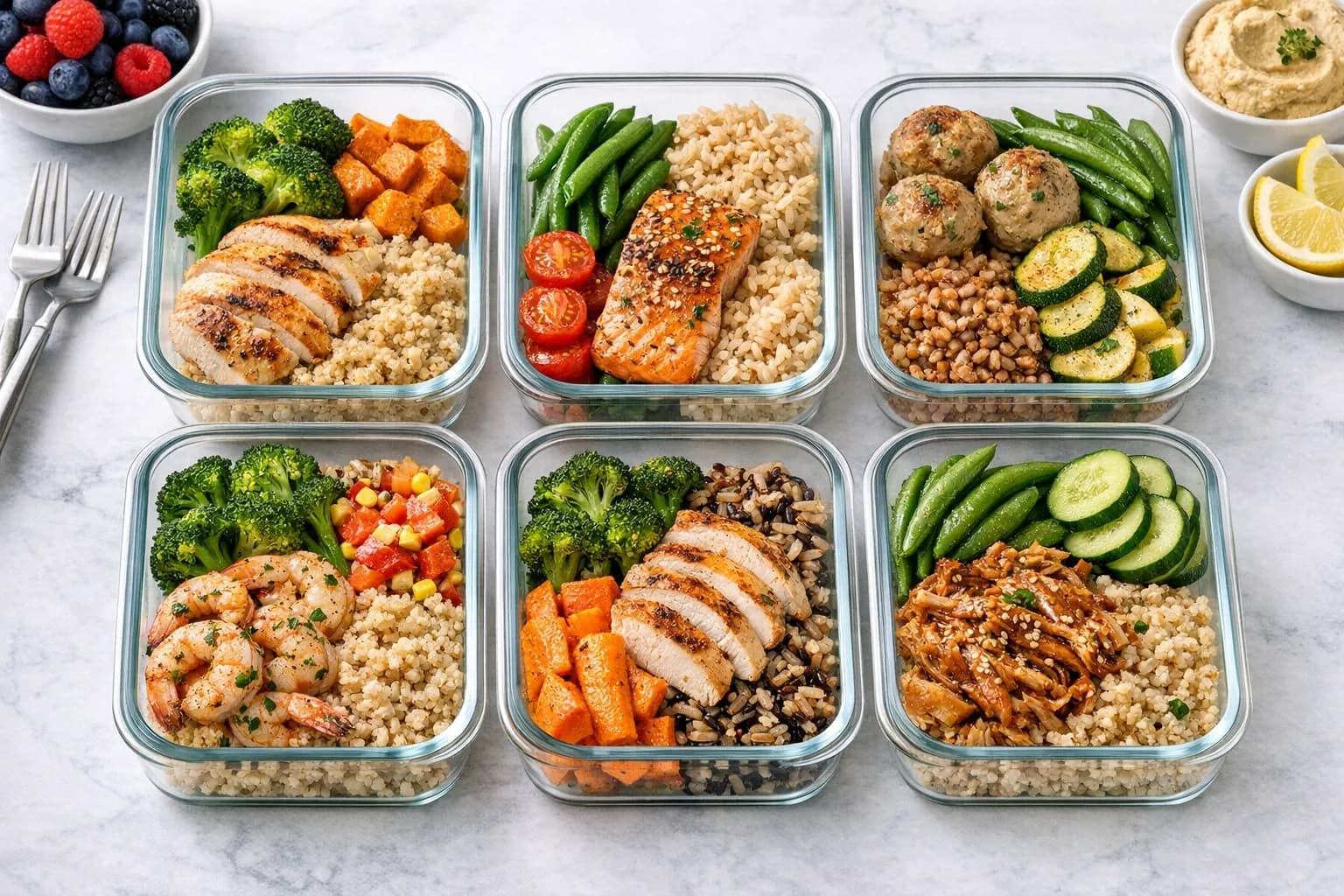
The risk of batch cooking for one is eating chicken and rice five nights in a row. The solution is to batch cook components, not complete meals.
On Sunday, spend 30 to 45 minutes prepping:
- Cook a pot of rice or grain (enough for 4 to 5 servings). This becomes stir-fry rice, burrito bowl rice, fried rice, and a dinner side throughout the week.
- Roast or grill two proteins in different flavors. Season half your chicken with cumin and chili powder, the other half with garlic and Italian herbs. Same protein, completely different meals.
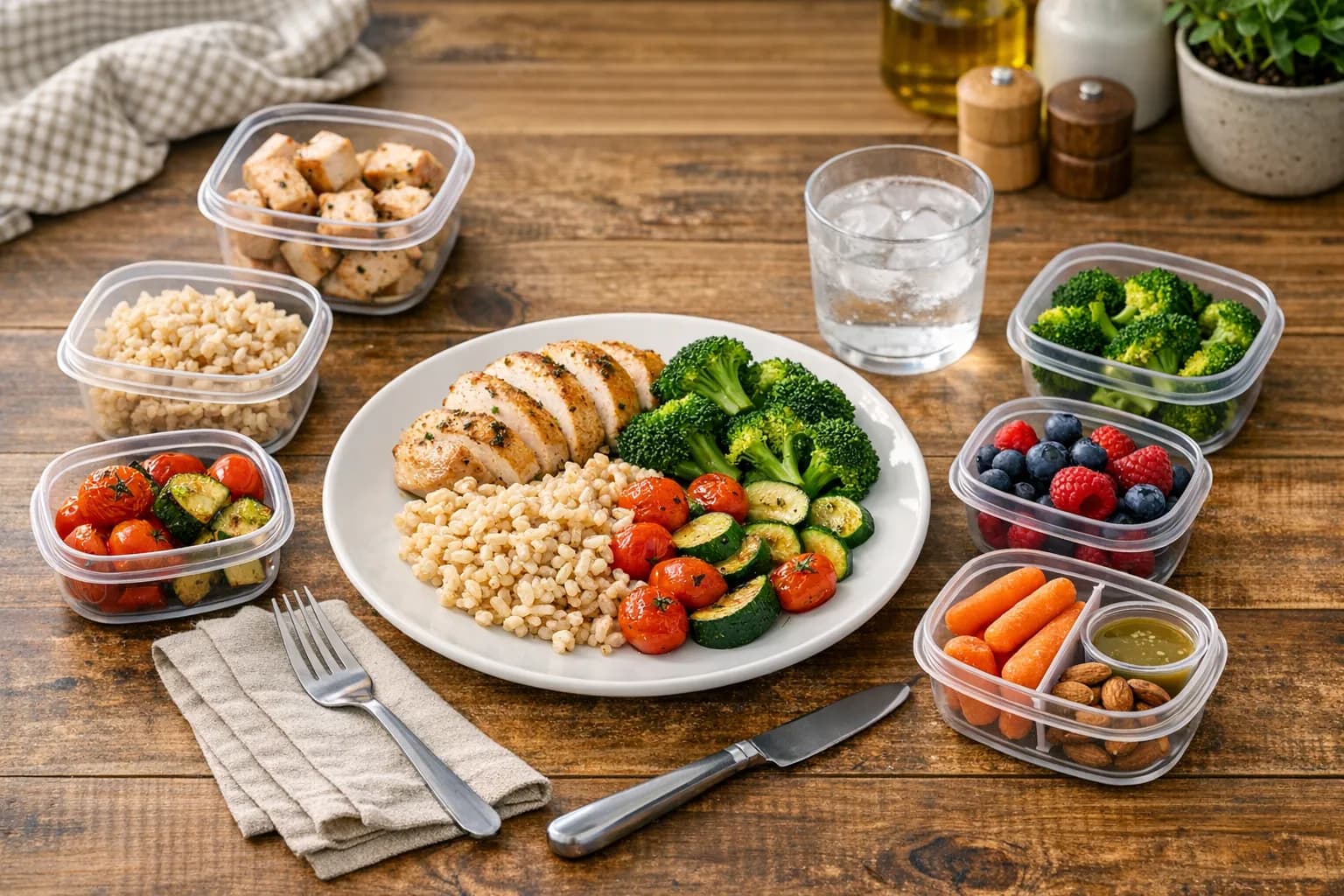
- Wash and chop vegetables. Store in containers with a damp paper towel. Pre-chopped vegetables turn a 30-minute dinner into a 10-minute dinner.
- Make one batch item for the freezer. A pot of soup, a tray of meatballs, or a pan of burritos. These become emergency meals on nights when you cannot be bothered to cook.
Tip
Invest in a set of small, single-serving storage containers. Standard meal prep containers hold 3 to 4 cups, which is too much for one person. Look for 1.5 to 2-cup containers. They fit better in a small fridge, encourage appropriate portions, and stack neatly in the freezer.
Freezer-Friendly Single Portions
Your freezer is the single most important tool for solo meal planning. It transforms cooking for one from a daily obligation into an occasional project. Cook once, freeze portions, and eat home-cooked meals for weeks with zero daily effort.
What Freezes Well in Single Portions
- Soups and stews: Freeze in single-serving containers or zip-top bags laid flat. Thaw overnight in the fridge or microwave from frozen.
- Burritos: Wrap individually in foil. Reheat in the oven at 375 degrees for 20 minutes or microwave for 2 to 3 minutes.
- Cooked grains: Rice, quinoa, and farro all freeze perfectly. Portion into zip-top bags, press flat, and stack. Microwave with a splash of water to reheat.
- Meatballs: Freeze on a sheet pan in a single layer until solid, then transfer to a bag. Pull out as many as you need.
- Pasta sauce: Freeze in ice cube trays or small containers. Two cubes of marinara is roughly one serving.
- Pancakes and waffles: Make a full batch on Sunday, freeze individually separated by parchment paper. Toast from frozen for a quick breakfast.
- Curry and chili: These actually improve after freezing because the flavors meld further. Among the best things to batch cook for the freezer.
What Does Not Freeze Well
- Raw salad vegetables: Lettuce, cucumber, and tomatoes turn to mush.
- Dairy-heavy sauces: Cream-based sauces can separate when thawed. Add cream or cheese after reheating instead.
- Fried foods: They lose their crispness entirely. If you want something crispy, cook it fresh.
- Cooked pasta (on its own): It gets mushy. Pasta frozen in sauce holds up better because the sauce protects it from freezer burn.
Building a Freezer Inventory
Over time, your freezer becomes a personal restaurant. One Sunday you make lentil soup and freeze three portions. The next week you make chicken burritos and freeze four. Within a month, you have a dozen different meals in the freezer, all in single-serving portions, all ready on nights when cooking feels like too much.
Label everything with the name and the date. A piece of masking tape and a marker takes five seconds and prevents the "mystery container" problem where everything looks the same once it is frozen.
Making Solo Meals Feel Worth the Effort
One of the underrated challenges of cooking for one is making it feel like a real meal rather than a chore. A few small shifts make a noticeable difference.
Plate Your Food
Eating out of the pot or the container is efficient, but it makes the meal feel like fuel rather than food. Taking 30 seconds to plate your dinner on an actual plate, maybe with a napkin, changes the experience. You eat more slowly, enjoy it more, and feel like you fed yourself properly rather than just consuming calories.
Invest in Quality Ingredients for One
When you cook for one, upgrading ingredients is affordable because the quantities are small. Good olive oil, real parmesan cheese, quality butter, fresh herbs. The per-meal cost increase is negligible, but the flavor improvement is significant. A $12 block of parmesan lasts one person over a month.
Rotate Your Repertoire
Build a rotating list of 15 to 20 meals you enjoy and can cook confidently. Rotate through them on a three-week cycle. You get variety without the cognitive load of constantly finding new recipes, and you always have a handful of meals you can cook on autopilot.
For help generating personalized recipe ideas that match your preferences and dietary needs, UseMealPlanner can create a custom meal plan tailored specifically to solo cooking.
Common Mistakes When Cooking for One
Buying Perishables in Family Sizes
A gallon of milk is cheaper per ounce than a quart, but not if you pour half of it down the drain. For one person, buy the smaller size. The per-unit cost is higher, but the total cost is lower because you use all of it.
Relying Entirely on Takeout
Ordering delivery for one person means paying the food cost plus delivery fees plus tip, often totaling $20 to $30 for a single meal. That same $25 buys ingredients for five to seven home-cooked meals. Even cooking three or four times a week and ordering out the rest saves hundreds of dollars a month.
Skipping Meal Planning Because "It's Just Me"
Single people often feel like meal planning is unnecessary because they are only feeding themselves. The opposite is true. Without a plan, solo eaters default to repetitive, nutritionally incomplete meals or expensive takeout. A 15-minute planning session on Sunday prevents both. Our 15-minute meal planning method works especially well for single-person households because the plan is simpler.
Key Takeaway
Meal planning for one person succeeds when you embrace three strategies: buy only what you will use before it spoils (prioritize long-lasting and frozen produce), cook in two-serving batches so leftovers become tomorrow's lunch rather than next week's trash, and use your freezer as a personal restaurant by stocking it with single-portion meals over time. The 7-day plan above is designed around these principles, and the Recipe Scaler tool handles the math of scaling standard recipes down to one or two servings.