Mediterranean Diet Meal Plan: A Complete 7-Day Guide
A practical 7-day Mediterranean diet meal plan with daily breakfast, lunch, and dinner recipes. Covers key principles, pantry staples, and the research-backed health benefits of eating Mediterranean.
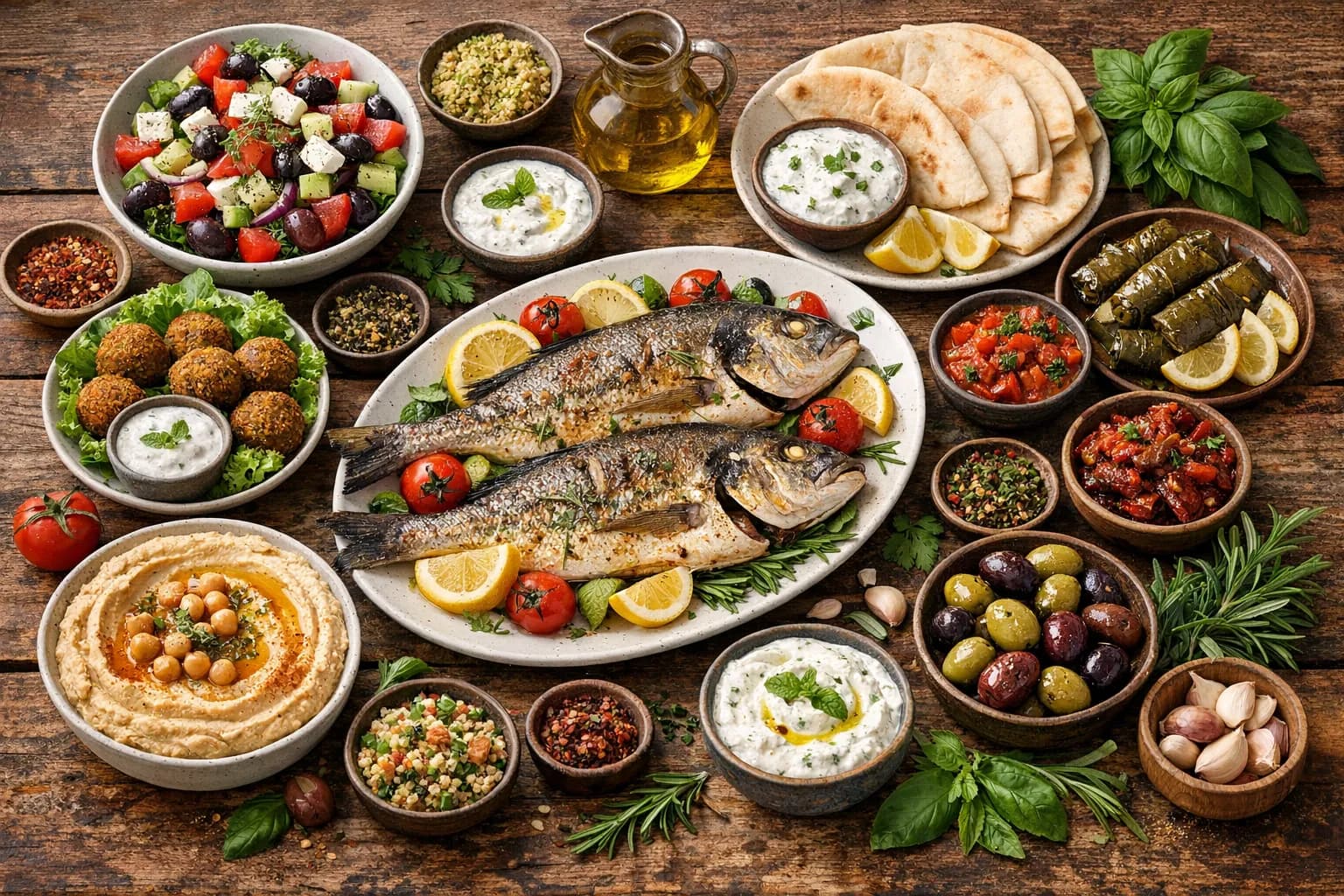
The Mediterranean diet is not really a diet in the way most people use that word. There is no calorie counting, no rigid macronutrient splits, and no food group is entirely off limits. It is a pattern of eating based on what people in countries bordering the Mediterranean Sea — Greece, southern Italy, Spain, parts of North Africa — have eaten for centuries. The pattern happens to be one of the most thoroughly studied in nutritional science, and the results are remarkably consistent: lower rates of heart disease, reduced risk of type 2 diabetes, better cognitive function with age, and lower all-cause mortality.
What makes the Mediterranean diet sustainable where many others fail is that it is built around abundance rather than restriction. You eat more vegetables, more legumes, more whole grains, more olive oil, more fish, and more fresh fruit. You eat less processed food, less red meat, and less added sugar. There is nothing to white-knuckle through. The food is genuinely delicious, the portions are satisfying, and the weekly grocery run does not require a specialty store.
This guide provides a full seven-day Mediterranean diet meal plan with specific meals for breakfast, lunch, and dinner, along with the pantry staples and core principles you need to make this way of eating work long-term.
The Core Principles of Mediterranean Eating
Before the meal plan, it helps to understand the framework that underpins every meal. These are the principles you are cooking from, not a set of rules to memorize.
Olive oil is the primary fat. This is the single most defining feature of Mediterranean cooking. Extra virgin olive oil replaces butter, vegetable oil, and margarine in nearly every application — sauteing, roasting, dressing salads, finishing dishes, and even baking. The monounsaturated fats in olive oil are a major contributor to the cardiovascular benefits observed in Mediterranean diet research.
Vegetables are the main event, not the side dish. In a typical Western meal, protein occupies the center of the plate and vegetables are an afterthought. Mediterranean meals reverse this. Vegetables, legumes, and grains form the foundation of most meals, with animal protein playing a supporting role.
Fish and seafood appear multiple times per week. Fatty fish like salmon, sardines, mackerel, and anchovies are rich in omega-3 fatty acids, which are strongly associated with reduced inflammation and improved heart health. The traditional Mediterranean diet includes fish at least two to three times per week.
Legumes are a staple, not an occasional side. Chickpeas, lentils, white beans, and cannellini beans appear in soups, salads, stews, and as standalone dishes throughout the week. They provide protein, fiber, and a satisfying heartiness that keeps meals filling without relying on large portions of meat.
Whole grains over refined. Whole wheat bread, farro, bulgur, barley, and brown rice replace white bread and refined pasta. The fiber content slows digestion, stabilizes blood sugar, and contributes to the satiety that makes this eating pattern easy to maintain.
Red meat is occasional, not daily. Red meat appears once a week or less in a traditional Mediterranean pattern. When it does appear, portions are modest — think a lamb chop alongside a large salad rather than a 16-ounce steak as the main course.
Fresh fruit is dessert. The default end to a Mediterranean meal is seasonal fruit, not baked goods or ice cream. Sweets exist — baklava, honey-drenched pastries — but they are reserved for celebrations and special occasions rather than nightly indulgence.
Ready to simplify your meal planning?
Join UseMealPlanner and get AI-generated recipes tailored to your preferences, dietary needs, and schedule.
Download the AppThe Complete 7-Day Mediterranean Diet Meal Plan
This plan provides approximately 1,800 to 2,200 calories per day depending on portion sizes. Every meal uses ingredients that are widely available at standard grocery stores.
| Day | Breakfast | Lunch | Dinner |
|---|---|---|---|
| Monday | Greek yogurt with honey, walnuts, and fresh figs or berries | Lentil soup with crusty whole grain bread and a side of mixed greens with lemon-olive oil dressing | Baked salmon with roasted cherry tomatoes, capers, and steamed asparagus over farro |
| Tuesday | Whole grain toast with mashed avocado, cherry tomatoes, and a drizzle of olive oil | Chickpea and cucumber salad with red onion, kalamata olives, feta cheese, and oregano vinaigrette | Grilled chicken thighs marinated in lemon and herbs, served with roasted eggplant and a bulgur wheat pilaf |
| Wednesday | Overnight oats with almond milk, sliced banana, chia seeds, and a spoonful of almond butter | White bean and tuna salad with arugula, sun-dried tomatoes, and a squeeze of lemon | Shrimp sauteed in olive oil and garlic over whole wheat spaghetti with fresh parsley and chili flakes |
| Thursday | Two eggs scrambled with spinach, sun-dried tomatoes, and feta cheese | Leftover shrimp pasta served cold as a pasta salad with added cucumbers and bell peppers | Slow-cooked lamb and white bean stew with rosemary, carrots, and crusty bread for dipping |
| Friday | Smoothie with frozen mango, Greek yogurt, spinach, and a tablespoon of ground flaxseed | Hummus and vegetable flatbread — whole wheat pita with hummus, roasted red peppers, cucumbers, and greens | Baked whole sea bass with lemon and herbs, roasted potatoes with oregano, and a large Greek salad |
| Saturday | Shakshuka — eggs poached in spiced tomato sauce with cumin and paprika, served with whole grain bread | Farro salad with roasted beets, goat cheese, arugula, pistachios, and balsamic vinaigrette | Stuffed bell peppers filled with ground turkey, rice, tomatoes, and fresh herbs, with a green side salad |
| Sunday | Whole grain pancakes with fresh berries and a drizzle of honey | Grilled vegetable and halloumi wrap with tzatziki sauce | One-pot chicken and orzo with artichoke hearts, sun-dried tomatoes, spinach, and a finish of lemon juice and olive oil |
Monday
Tuesday
Wednesday
Thursday
Friday
Saturday
Sunday
Notes on the Plan
Fish appears three times (Monday's salmon, Wednesday's shrimp, Friday's sea bass) which is in line with traditional Mediterranean frequency. If you do not eat fish, substitute with additional legume-based meals — a chickpea curry on Monday, a lentil bolognese on Wednesday, and a white bean and vegetable bake on Friday.
Red meat appears only once, in Thursday's lamb and white bean stew. The lamb serves more as a flavoring element than the centerpiece. If you prefer to skip red meat entirely, substitute with chicken thighs or make the stew fully vegetarian with extra white beans and root vegetables.
Leftovers are built in. Wednesday's shrimp pasta becomes Thursday's cold pasta salad. This is intentional — Mediterranean cooking historically wasted nothing, and leftovers transformed into the next meal are part of the tradition.
Portion sizes are flexible. If you are more active or have a larger frame, increase the grain and legume portions. If you are eating for weight management, keep protein and vegetables generous while moderating grains and fats.
The Health Benefits: What the Research Shows
The Mediterranean diet has been the subject of more than 30,000 published studies, making it one of the most well-researched dietary patterns in existence. Here are the findings that are most consistent and most robust.
Cardiovascular Health
The PREDIMED trial, published in the New England Journal of Medicine, followed over 7,000 participants at high cardiovascular risk. The group assigned to a Mediterranean diet supplemented with extra virgin olive oil had a 30 percent lower incidence of major cardiovascular events (heart attack, stroke, or cardiovascular death) compared to the control group on a reduced-fat diet. This was not a marginal difference. It was large enough that the trial was stopped early because withholding the Mediterranean diet from the control group was deemed unethical.
The mechanism is well understood: olive oil and omega-3 fatty acids from fish reduce inflammation and improve endothelial function. The high fiber from legumes, vegetables, and whole grains improves cholesterol profiles. The overall pattern reduces oxidative stress.
Type 2 Diabetes Prevention
A meta-analysis of nine prospective studies, covering over 120,000 participants, found that high adherence to a Mediterranean diet was associated with a 23 percent reduced risk of developing type 2 diabetes. For people who already have type 2 diabetes, Mediterranean eating patterns consistently improve glycemic control, often to a degree comparable to first-line medications.
Cognitive Function
The MIND diet, which combines Mediterranean and DASH diet principles, has been associated with a 53 percent lower risk of Alzheimer's disease in observational studies. Even moderate adherence showed a 35 percent reduction. The polyphenols in olive oil, the omega-3s in fish, and the antioxidants in colorful vegetables all contribute to neuroprotection.
Longevity
The Blue Zones research, which identifies regions with the highest concentrations of centenarians, found that four of the five Blue Zones (Sardinia in Italy, Ikaria in Greece, Loma Linda in California, and Nicoya in Costa Rica) share dietary patterns that overlap substantially with the Mediterranean diet: plant-forward eating, legumes as a daily staple, moderate wine consumption, and minimal processed food.
Stocking Your Mediterranean Pantry
Having the right staples on hand is what makes Mediterranean cooking feel effortless rather than aspirational. Here is what to keep stocked.
Oils and Vinegars
- Extra virgin olive oil: Buy the best quality you can afford. You will use it daily for cooking and finishing. A one-liter bottle typically lasts one to two weeks for a household cooking Mediterranean-style.
- Red wine vinegar and balsamic vinegar: The workhorses of Mediterranean salad dressings and marinades.
- Lemon juice: Fresh is best, but bottled works for cooking. Lemon brightens nearly every Mediterranean dish.
Grains and Legumes
- Farro: A chewy, nutty ancient grain that works in salads, soups, and as a side dish. Cooks in about 30 minutes.
- Bulgur wheat: Pre-steamed and dried, so it cooks in 10 to 15 minutes. Perfect for tabbouleh and pilafs.
- Whole wheat pasta and couscous: Standard pantry items for quick weeknight meals.
- Dried lentils (green and red): Green for salads and side dishes, red for soups where they break down into a creamy base.
- Canned chickpeas, white beans, and cannellini beans: Rinse before using. These go into salads, soups, and stews multiple times per week.
- Brown rice or orzo: Versatile grain bases.
Canned and Jarred Goods
- Canned whole and diced tomatoes: The backbone of countless Mediterranean sauces and stews.
- Tomato paste: Concentrated flavor for soups and braises.
- Kalamata olives: For salads, pasta, and snacking.
- Capers: Small but powerful flavor additions to fish dishes and salads.
- Sun-dried tomatoes: Packed or jarred in oil, they add depth to pasta, salads, and wraps.
- Artichoke hearts: Canned or jarred, excellent in pasta dishes and grain salads.
- Tahini: The base for hummus and a versatile dressing ingredient.
Herbs and Spices
- Dried oregano: The defining herb of Greek and Italian cooking. Use it on roasted vegetables, in salad dressings, and on grilled meats.
- Cumin, paprika, and smoked paprika: Essential for North African-influenced dishes like shakshuka and spiced stews.
- Fresh garlic: Non-negotiable. Pre-minced works in a pinch, but fresh cloves are noticeably better.
- Fresh parsley, basil, and mint: Mediterranean cooking uses fresh herbs liberally. Buy them weekly and store in the refrigerator wrapped in a damp paper towel.
- Bay leaves, thyme, and rosemary: For slow-cooked stews and roasted meats.
Dairy and Proteins
- Feta cheese and goat cheese: Crumbled onto salads, stirred into grain bowls, or eaten with bread and olives.
- Greek yogurt: Full-fat, plain. Used in breakfast parfaits, as a sauce base (tzatziki), and as a marinade for chicken.
- Eggs: A Mediterranean breakfast staple.
- Canned tuna and sardines packed in olive oil: Quick protein for salads and sandwiches.
- Frozen fish fillets: Salmon, sea bass, and shrimp keep well in the freezer for weeks and defrost quickly.
Tip
When a Mediterranean recipe calls for an ingredient you cannot find or do not like, there is usually a straightforward swap. Feta and goat cheese are largely interchangeable. Any firm white fish can replace sea bass. Kale can stand in for spinach, and barley for farro. The Ingredient Substitution Finder can suggest reliable alternatives that maintain the character of the dish.
Making It Work: Practical Tips for the First Month
Start With Three Mediterranean Dinners Per Week
If your current eating pattern is far from Mediterranean, do not overhaul everything at once. Choose three dinners from the plan above and cook them this week alongside your usual meals. Next week, add a Mediterranean breakfast. The week after, replace your standard lunches. Gradual adoption is more sustainable than a sudden shift.
Embrace the Olive Oil
The single biggest adjustment for most people is the volume of olive oil used in Mediterranean cooking. Drizzling two to three tablespoons of olive oil on a salad or using it generously when roasting vegetables may feel excessive if you are accustomed to low-fat cooking. But olive oil is a central component of the diet's health benefits, not an incidental addition. Do not skimp on it.
Cook in Batches on the Weekend
Mediterranean cooking is naturally suited to batch preparation. Make a large pot of lentil soup, a batch of hummus, a container of cooked farro, and a jar of vinaigrette on Sunday. These become building blocks for quick assembly during the week — a grain bowl takes five minutes when the grain, dressing, and legumes are already prepared.
For guidance on effective batch cooking strategies, the article on meal prep for working parents covers a Sunday prep system that works well with Mediterranean-style meals.
Handle Measurements With Confidence
Mediterranean recipes frequently originate from European sources, which means measurements may be in grams and milliliters rather than cups and tablespoons. If you find a recipe online measured in metric and need to convert for your kitchen, the Unit Converter handles the translation instantly so you can cook without guessing.
Free Tool
Unit Converter
Quickly convert between cups, grams, ounces, and milliliters for any ingredient.
Common Questions About Mediterranean Eating
Is the Mediterranean Diet Expensive?
It does not have to be. The staple ingredients — legumes, whole grains, canned tomatoes, olive oil, eggs, and seasonal vegetables — are affordable. The costs increase when you buy fresh fish multiple times per week and premium cheeses, but even here you have options. Canned sardines and tuna are inexpensive and nutritionally excellent. Frozen fish fillets are significantly cheaper than fresh. Buying feta and olives from the deli counter rather than pre-packaged saves money.
For a detailed breakdown of keeping family meal costs low while eating well, see Weekly Meal Plan for a Family of 4 on a Budget. Many of the budget principles — buying in bulk, using the unit price, cooking with intentional leftovers — apply directly to Mediterranean meal planning.
Can I Drink Wine?
Moderate red wine consumption — one glass per day with meals — is part of the traditional Mediterranean pattern and appears in most studies of the diet. However, the health benefits of the Mediterranean diet do not depend on wine. If you do not currently drink alcohol, there is no reason to start. The benefits come primarily from the food, the olive oil, the fish, the legumes, and the vegetables.
What About Snacks?
Traditional Mediterranean snacking looks like a handful of almonds or walnuts, a piece of fresh fruit, olives with cheese, hummus with raw vegetables, or a few dried figs. These are nutrient-dense and satisfying without being calorie bombs. Packaged snack foods — even those marketed as "Mediterranean-inspired" — generally miss the point.
Is This a Weight Loss Diet?
The Mediterranean diet was not designed for weight loss, but many people do lose weight when they adopt it, largely because whole foods, healthy fats, and fiber are more satiating per calorie than processed alternatives. You eat until you are satisfied, and because the food is nutrient-dense, satisfaction arrives at a lower calorie count than it does with processed foods. Studies consistently show that Mediterranean eating produces modest, sustainable weight loss without calorie restriction.
Beyond the First Week
A single week of Mediterranean eating gives you a taste of the pattern. The real transformation happens when you build a rotating repertoire. After cooking through this plan, keep the meals you enjoyed most, swap in new Mediterranean recipes for the ones that did not excite you, and gradually build a four-week rotation. Within a month, you will have 20 to 25 dinners that feel natural and require minimal planning.
An AI meal planner can accelerate this process. Instead of searching for Mediterranean recipes manually, set your dietary preferences once and generate a fresh week of meals in seconds. UseMealPlanner lets you specify Mediterranean-style eating and generates recipes that follow the core principles — olive oil, legumes, fish, vegetables, whole grains — without you needing to cross-reference every ingredient.
Key Takeaway
The Mediterranean diet is built on abundance, not restriction: generous olive oil, vegetables as the foundation of every meal, fish two to three times per week, daily legumes and whole grains, and fresh fruit as the default dessert. Research consistently links this eating pattern to reduced heart disease risk, better blood sugar control, improved cognitive function, and longer lifespan. Stock your pantry with olive oil, canned beans, whole grains, canned tomatoes, herbs, and feta, and the daily cooking becomes straightforward. Start by replacing three dinners per week with Mediterranean meals, then expand gradually until the pattern feels natural.
Ready to simplify your meal planning?
Join UseMealPlanner and get AI-generated recipes tailored to your preferences, dietary needs, and schedule.
Download the App